


Q235NH Corten Steel and ordinary carbon steel Q235 share the same base strength grade (235MPa yield strength), but their weldability differs slightly-driven by Q235NH's added anti-corrosion elements. For fabricators and welders, understanding these differences is key to avoiding welding defects, ensuring joint quality, and reducing rework. How exactly does their weldability compare? Based on welding practice and material composition analysis, the core conclusion is clear: Both steels have good weldability, but Q235NH requires slightly stricter welding parameters to avoid brittleness and corrosion weak points, while Q235 is more forgiving for general welding operations. Below is a concise, actionable breakdown.
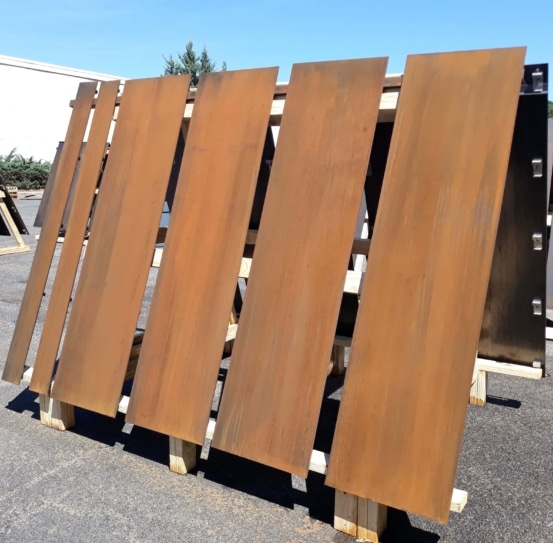
Weldability is evaluated by arc stability, weld joint toughness, crack risk, and post-weld corrosion resistance-here's how the two steels stack up in practical operations:
: Both perform well-Q235NH's trace Cu/Cr elements have minimal impact on arc stability, matching Q235's ease of arc striking and maintenance during SMAW, GMAW, or FCAW processes.
: Q235NH's weld joints are slightly less tough than Q235's if parameters are not adjusted. Its Cr/P elements can slightly harden the heat-affected zone (HAZ), while Q235's pure low-carbon composition ensures softer, more ductile weld joints.
: Q235NH has a slightly higher cold crack risk than Q235, especially for thick plates. Its alloy elements increase HAZ hardness, making preheating more critical for plates >16mm.
Post-Weld Corrosion Resistance: This is the biggest difference-Q235NH's weld joints need targeted treatment to match the base metal's corrosion resistance, while Q235's welds require no special corrosion protection (beyond standard coatings).
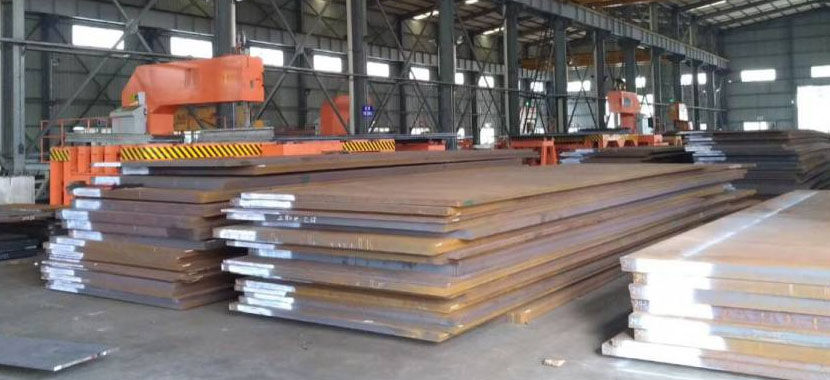
The slight weldability gap stems entirely from Q235NH's added anti-corrosion elements (Cu, Cr, P) - elements that enhance its weather resistance but slightly alter welding behavior:
Q235 is pure low-carbon steel (C <=0.22%), with no added alloy elements-its simple composition makes it highly forgiving, even with minor parameter deviations (e.g., excessive heat input).
Q235NH contains Cu (0.20-0.50%), Cr (0.30-1.20%), and P (0.07-0.15%) to form a protective patina. These elements, especially Cr and P, can increase HAZ hardness and reduce ductility if welding heat input is too high or cooling is too fast.
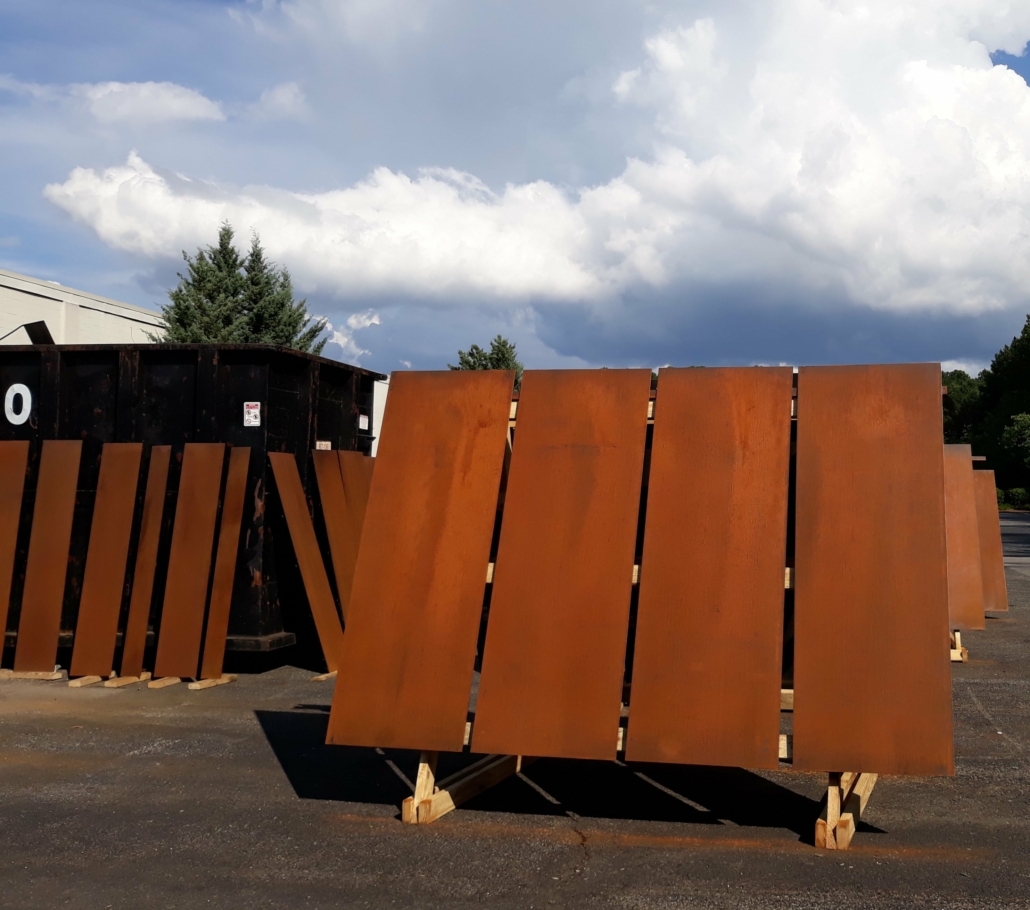
The differences are minor, but adjusting operations for Q235NH ensures optimal joint quality and corrosion resistance:
For Q235NH: - Preheating: Mandatory for plates >16mm (80-120℃) to reduce cold crack risk; optional for thin plates (<=16mm) in warm environments. - Heat Input: Control at 15-25kJ/cm-avoid excessive heat (which coarsens grains) or insufficient heat (which causes incomplete fusion). - Post-Weld Treatment: Lightly grind weld seams to remove spatter; let joints naturally oxidize to form a protective patina (avoid premature coating).
For Q235: - Preheating: Rarely needed, even for plates up to 20mm (only required in cold environments <=0℃). - Heat Input: More forgiving (15-30kJ/cm)-minor deviations won't cause significant defects. - Post-Weld Treatment: Only needs spatter removal; no special treatment for corrosion resistance.
Q235NH: Prone to HAZ brittleness and cold cracks if preheating is skipped. Prevent by controlling cooling rate (avoid rapid air cooling for thick plates) and using low-hydrogen consumables.
Q235: Prone to porosity if welding surfaces are dirty (oil, rust), but less likely to develop cold cracks. Prevent by cleaning surfaces before welding and maintaining stable arc voltage.
In summary, Q235NH and Q235 both have good weldability for civil engineering and general fabrication. The key difference is that Q235NH requires slightly stricter preheating and heat input control to avoid brittleness, plus post-weld attention to corrosion resistance. Q235, by contrast, is more forgiving for routine welding. By adjusting parameters to match each steel's characteristics, welders can ensure strong, durable joints tailored to their application.


